

Design That Actually Sells
In food CPG shelf presence is everything. Shoppers peruse, distracted, and are met with decision fatigue. Before you get to wow them with what’s inside, they need to pick yours off the shelf (or tap on it.) The brand and packaging has to tell story about quality, flavor, and trust.
I design strategic, retail-ready packaging and branding
For founders who want more than “looks nice”. Your product might taste totally amazing. Let’s make the outsides live up to the hype of what’s inside.
Brands people recognize (and rebuy!)
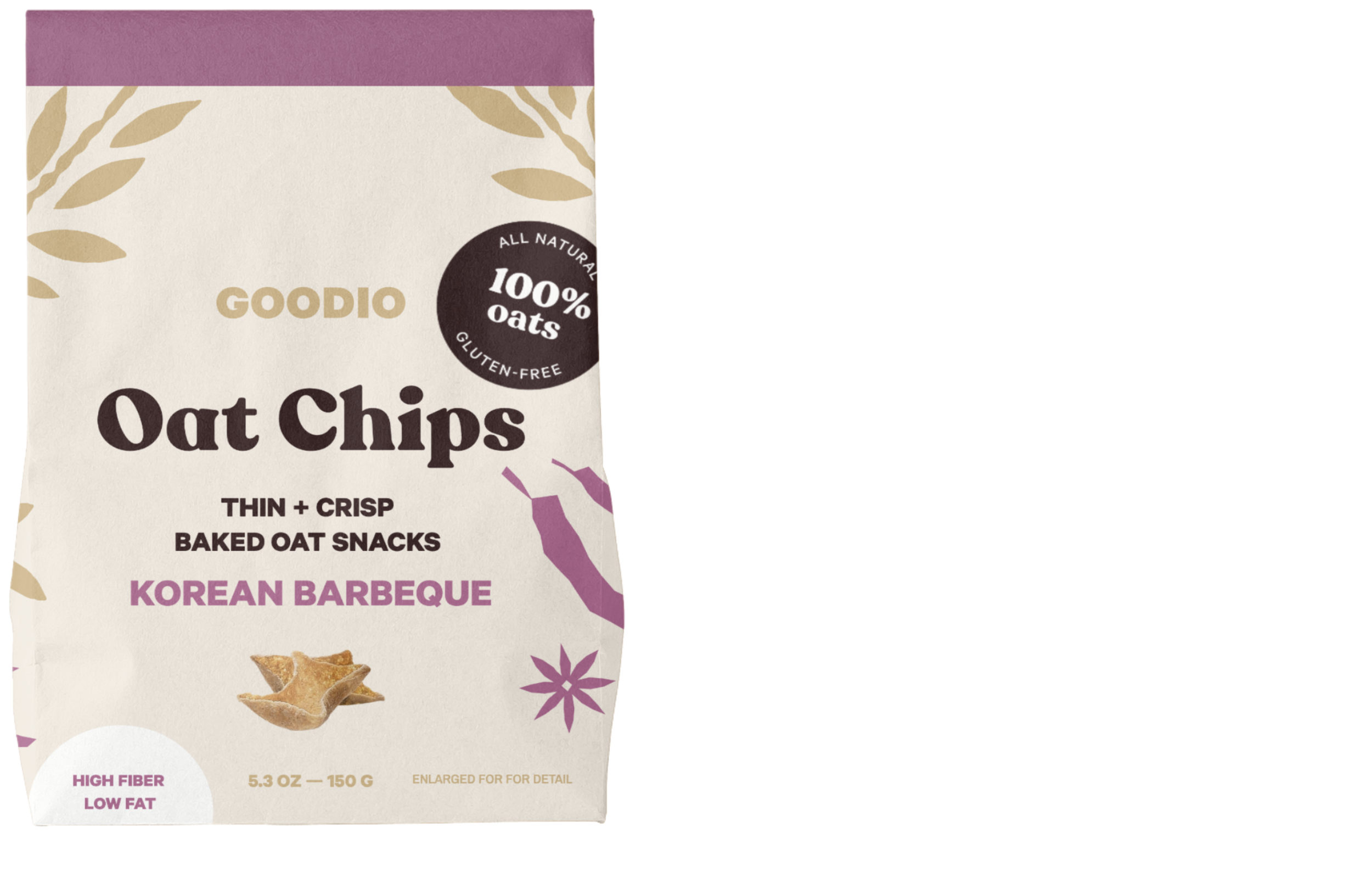
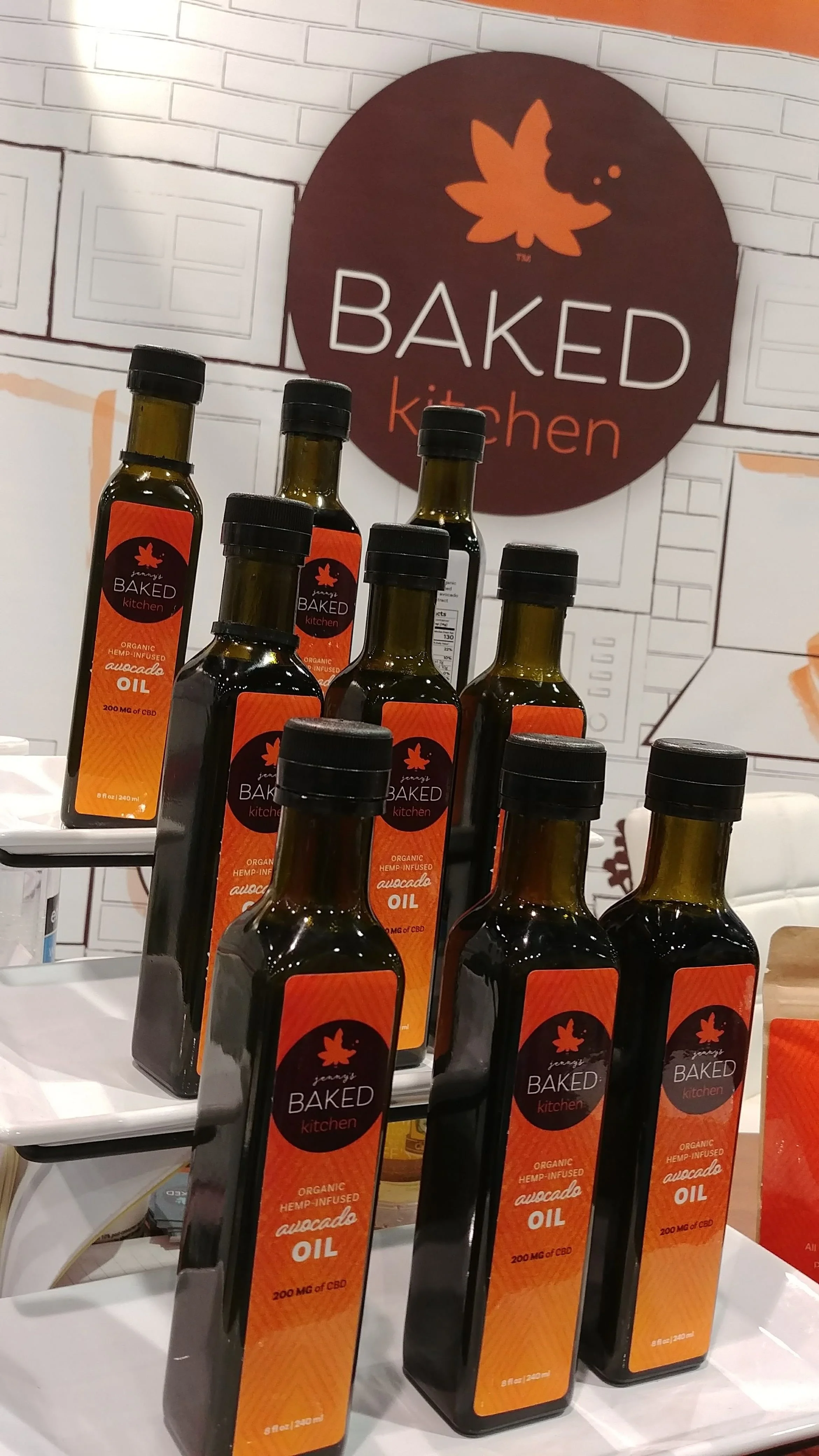
If you’re looking for a food or beverage label packaging designer who understands positioning, and functions required of a food package, from jars and pouches to cartons and labels, I balance bold design with real-world requirements.
Food & Beverage
Who it’s for
I work with with food entrepreneurs at all stages: home kitchen experiments, to the farmer’s market, and all the way to big box retail. If you care about details, and about doing things right, we’ll get along deliciously.
Why it matters
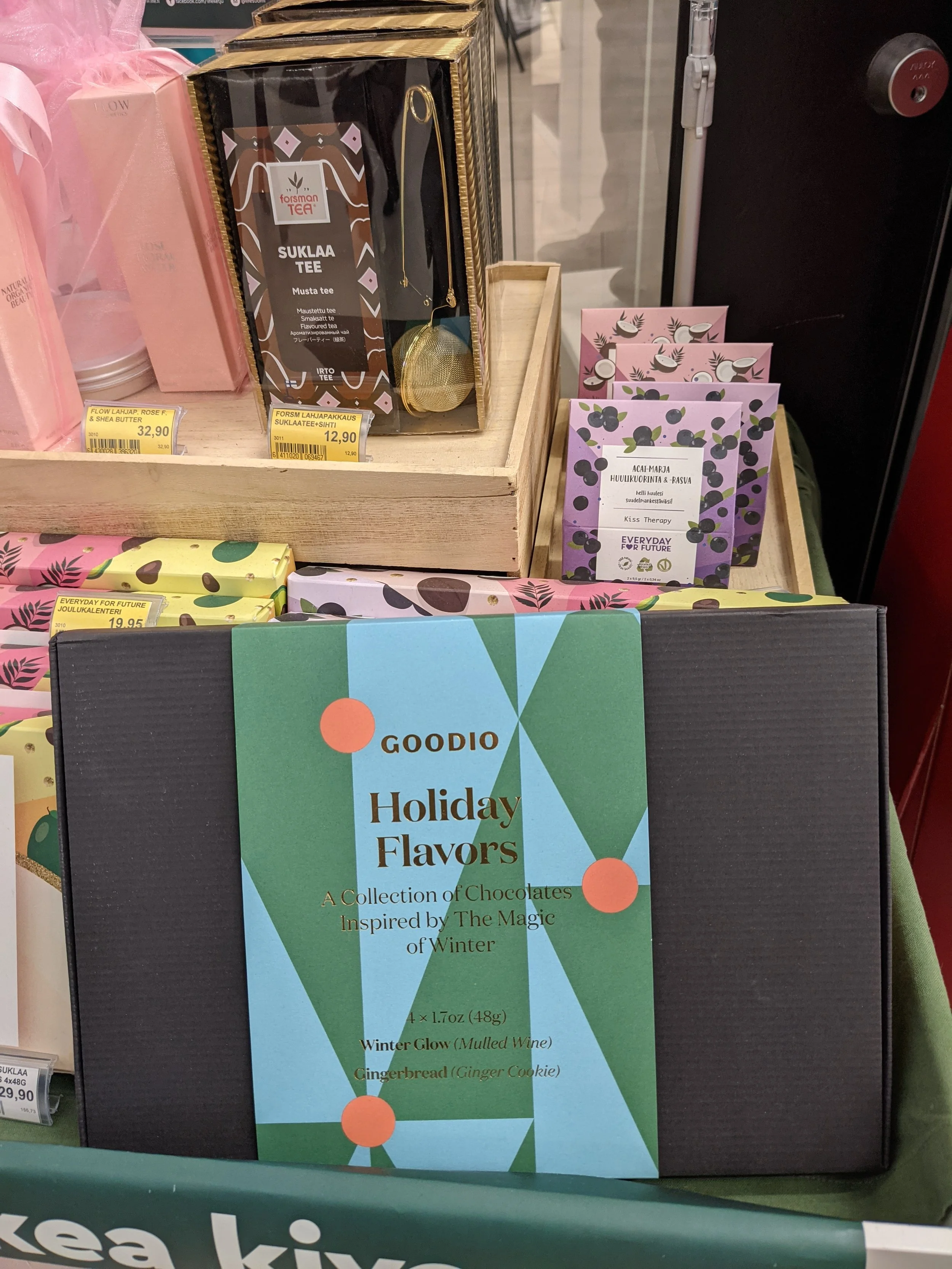
Shelf space is a battlefield. I design packaging that is bold, strategic, and impossible to ignore. Whether your product is in a snack food, fresh produce, beverage, meal kit, or any other food CPG consumer product, your brand will stand out, tell a story, and sell itself.
No fluff. Just damn good design.
Ready to grow
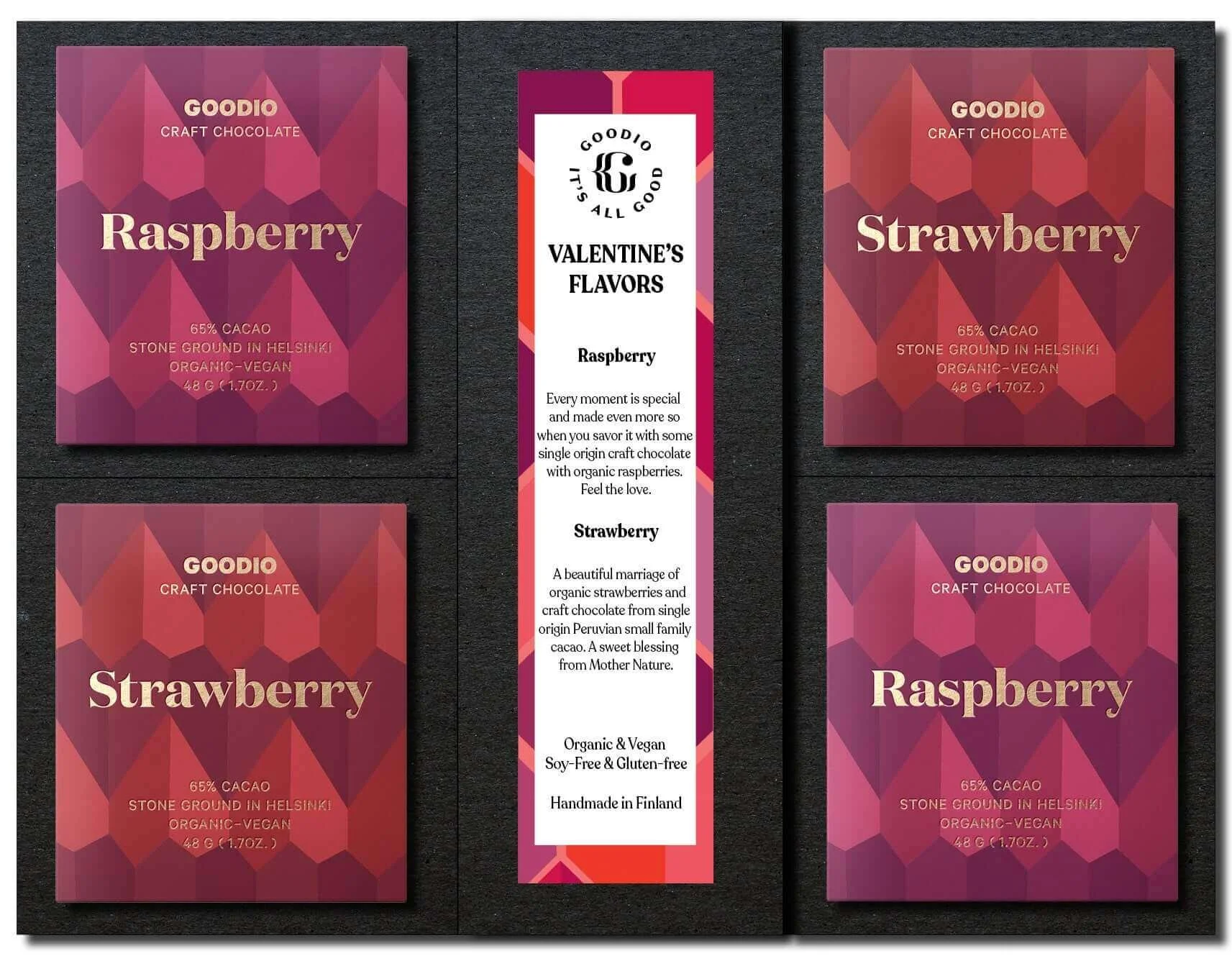
Whether you’re launching your first DTC product from your home, working with a co-manufacturer and pitching to smaller shops, or preparing for larger nationwide or international retail conversations, I can create packaging systems that grow as you grow: for online, in-store, seasonal, or small batch releases. No chaotic redesign energy.
Strategic Branding
(Not just a random logo)
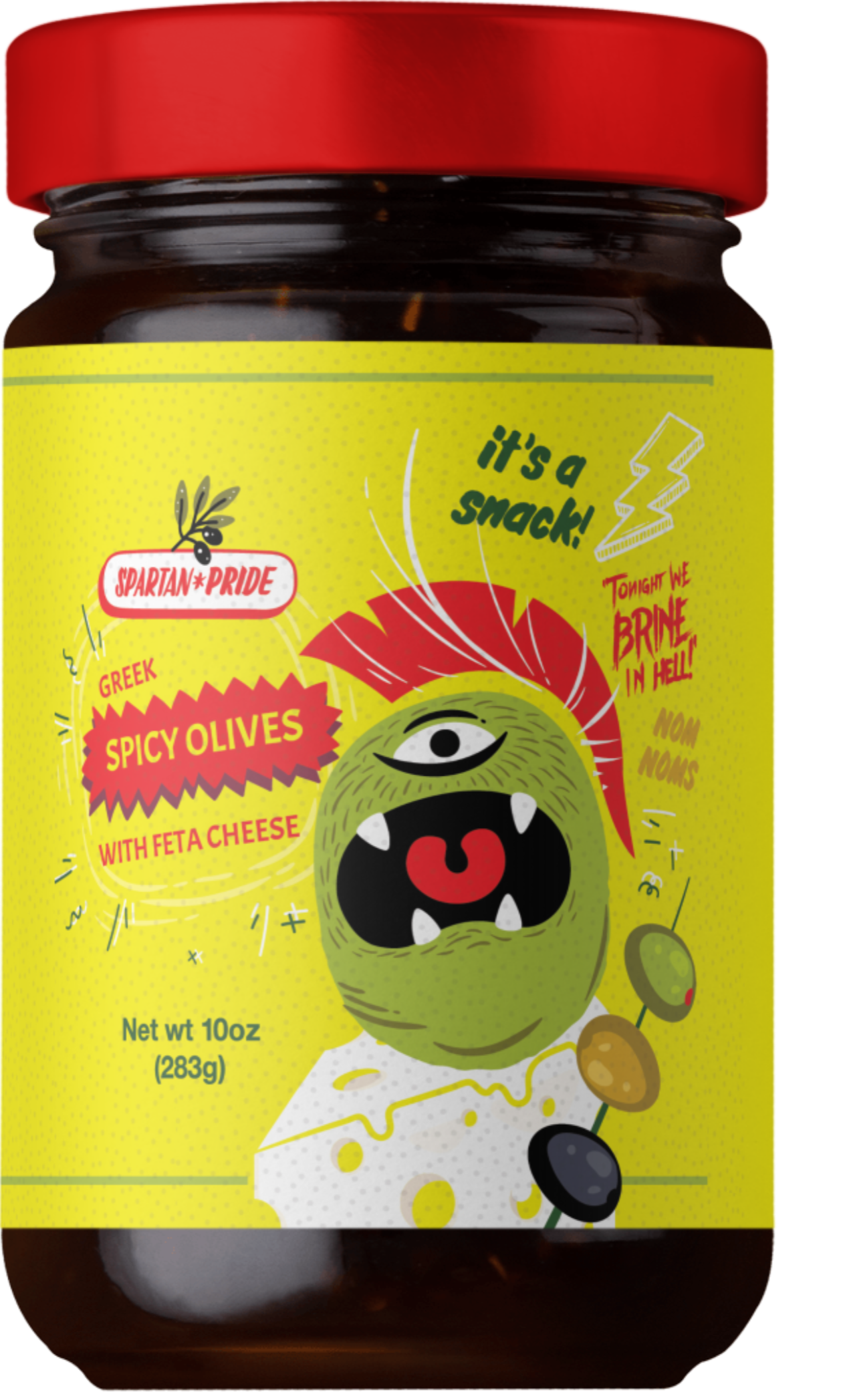
Pretty is easy. Strategic is better.
Strong food branding starts with clarity: Who are you for? What do you stand for? Why should someone choose your product over all the others on the shelf (or million others on their feed)?
My process blends brand positioning, ingredient storytelling, and thoughtful design systems so your packaging doesn’t just look good, but communicates something specific and meaningful.
Functional Packaging
(Not just pretty labels)
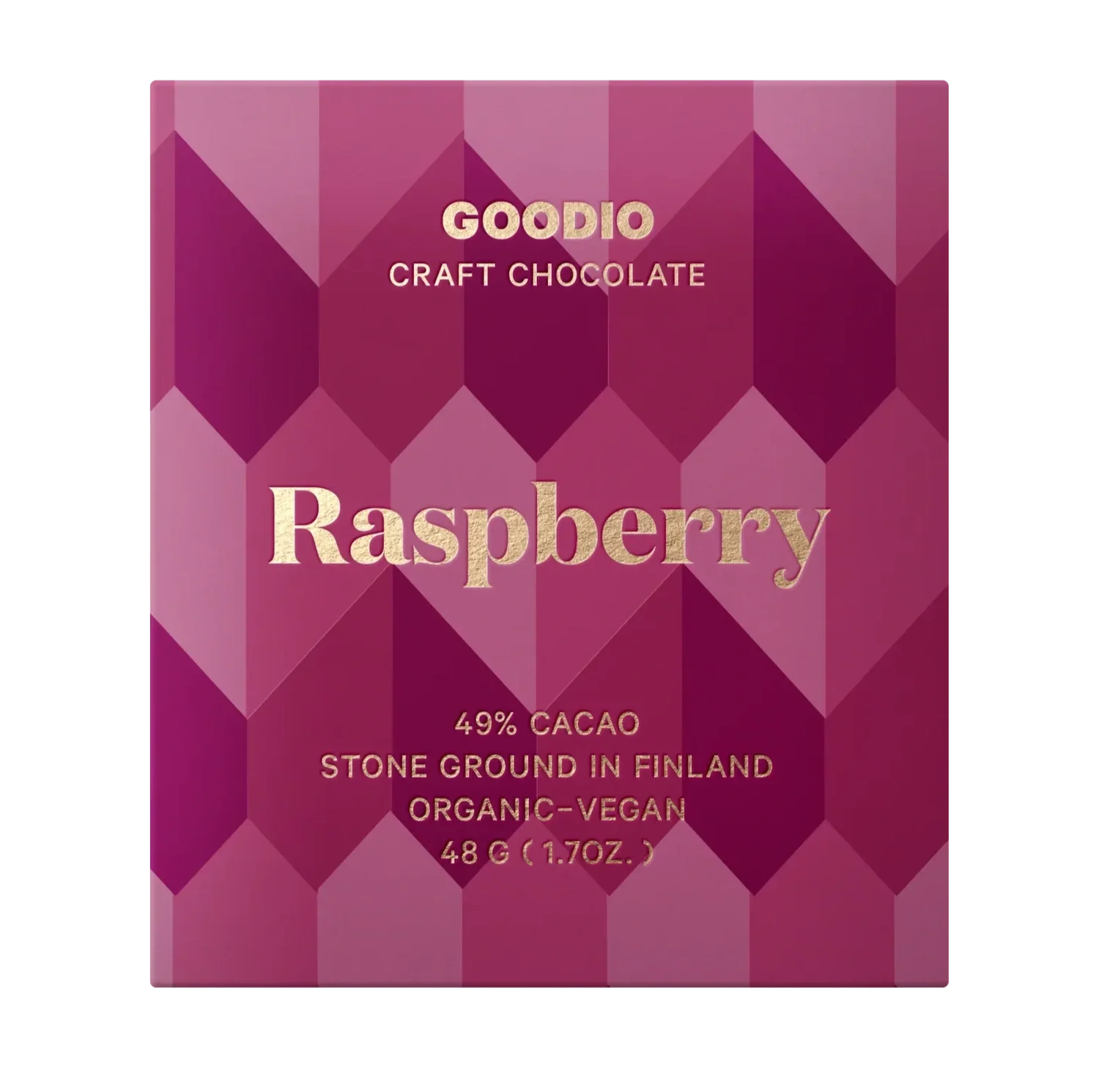
Mockups are cute. Press checks are real.
Your packaging needs to work in three places at once: on the store shelf. In someone’s hand. And as a tiny thumbnail on a phone screen. I design for all three.
I design food packaging with real life in mind. I exist for things like figuring out label hierarchy that makes sense, ingredient lists, net contents, FDA and USDA warning statements, production details that won’t fall apart at print. I’m especially mindful of compliant language, claims, and how to communicate benefits and joy that goes beyond basic label claims.
We build a brand world that makes sense across every SKU, for now and future-proofing for brand expansion later.
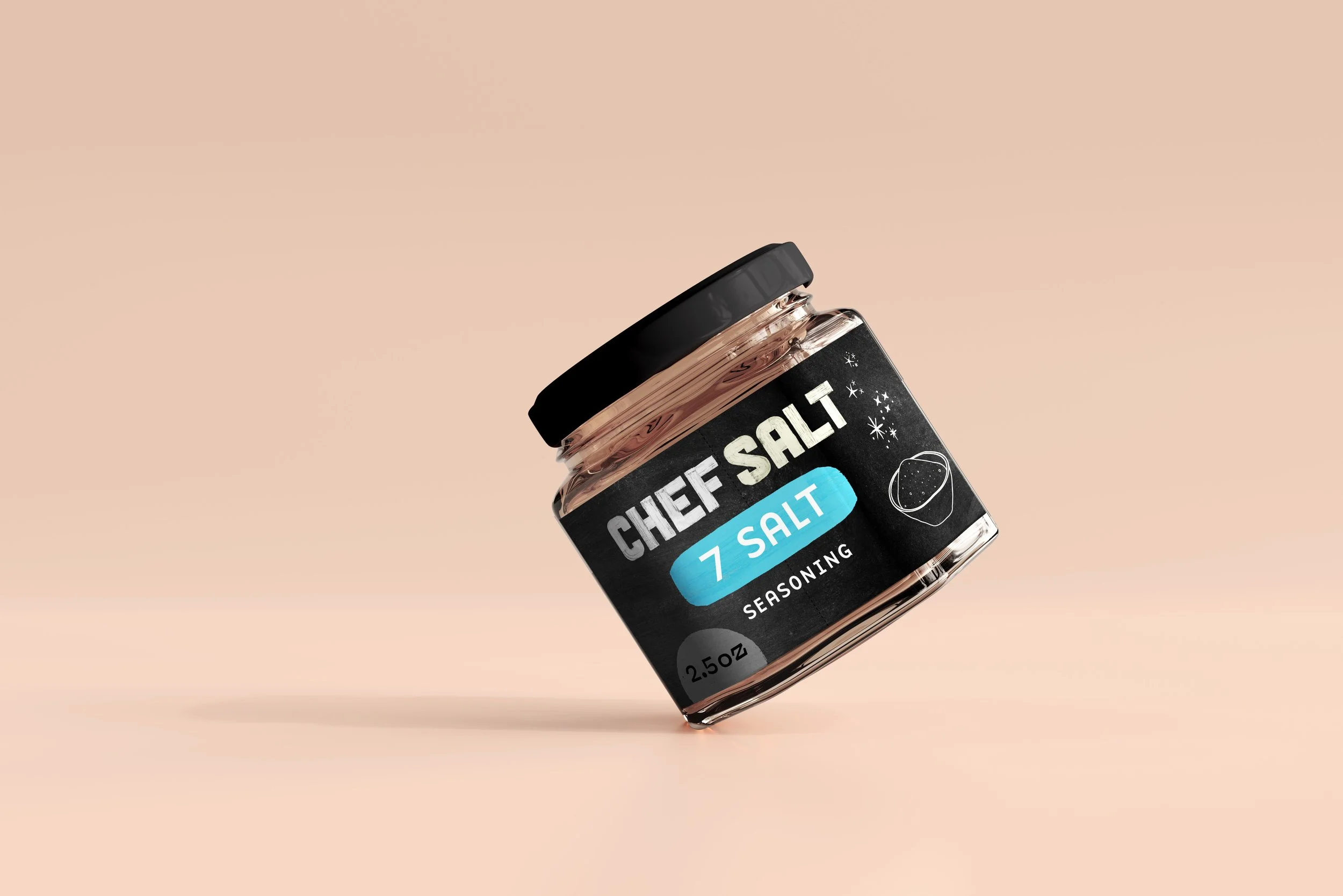
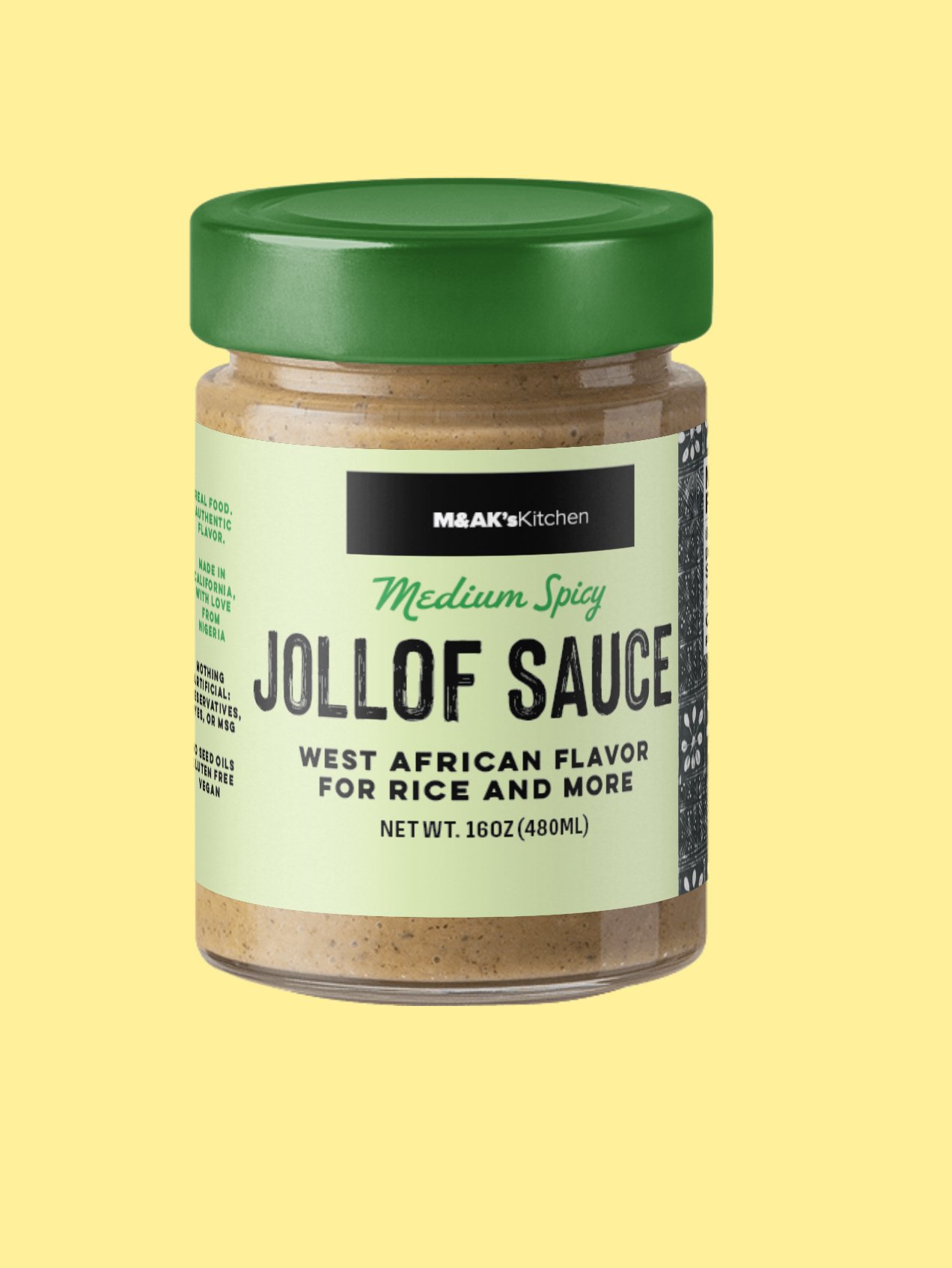
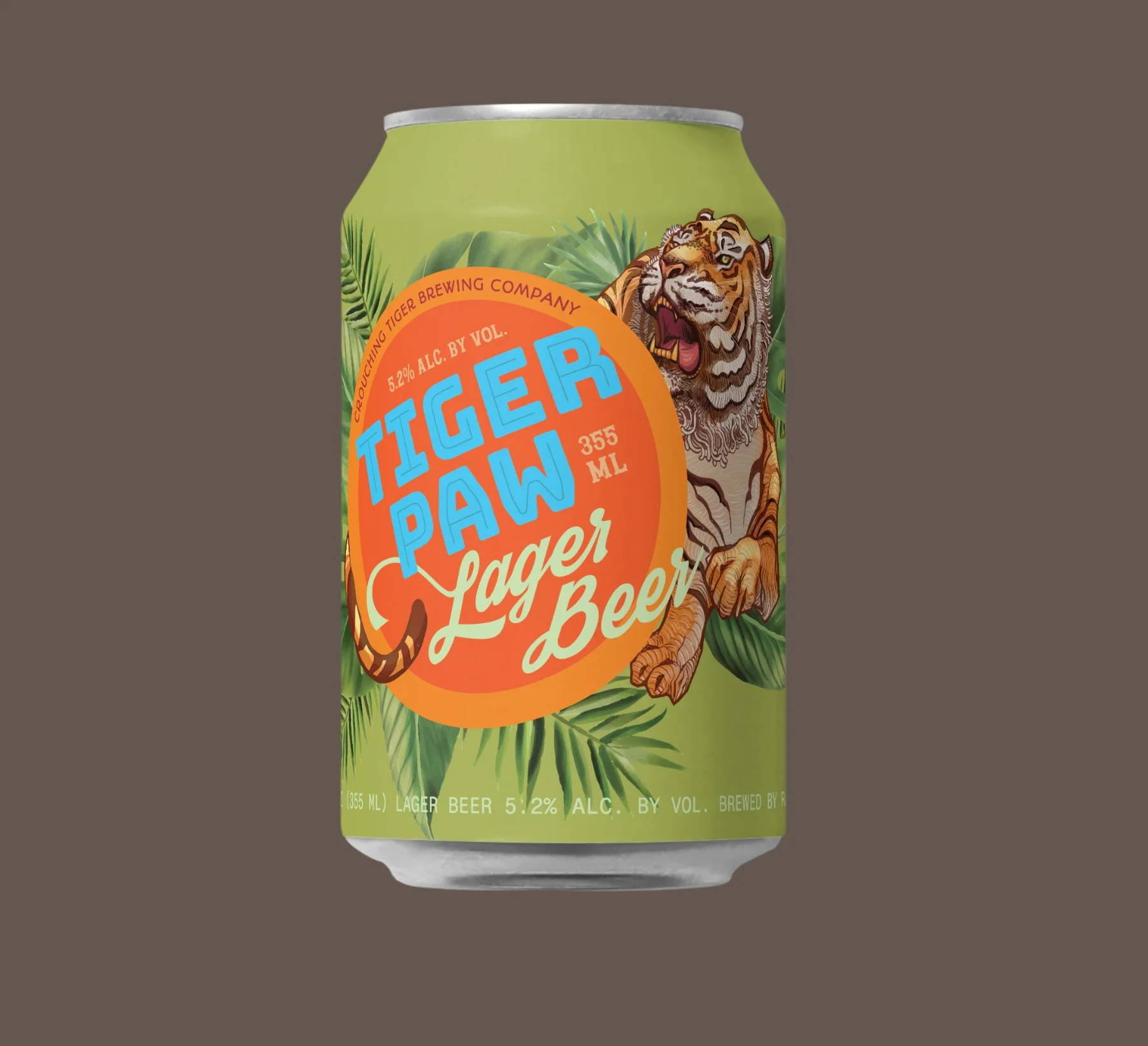
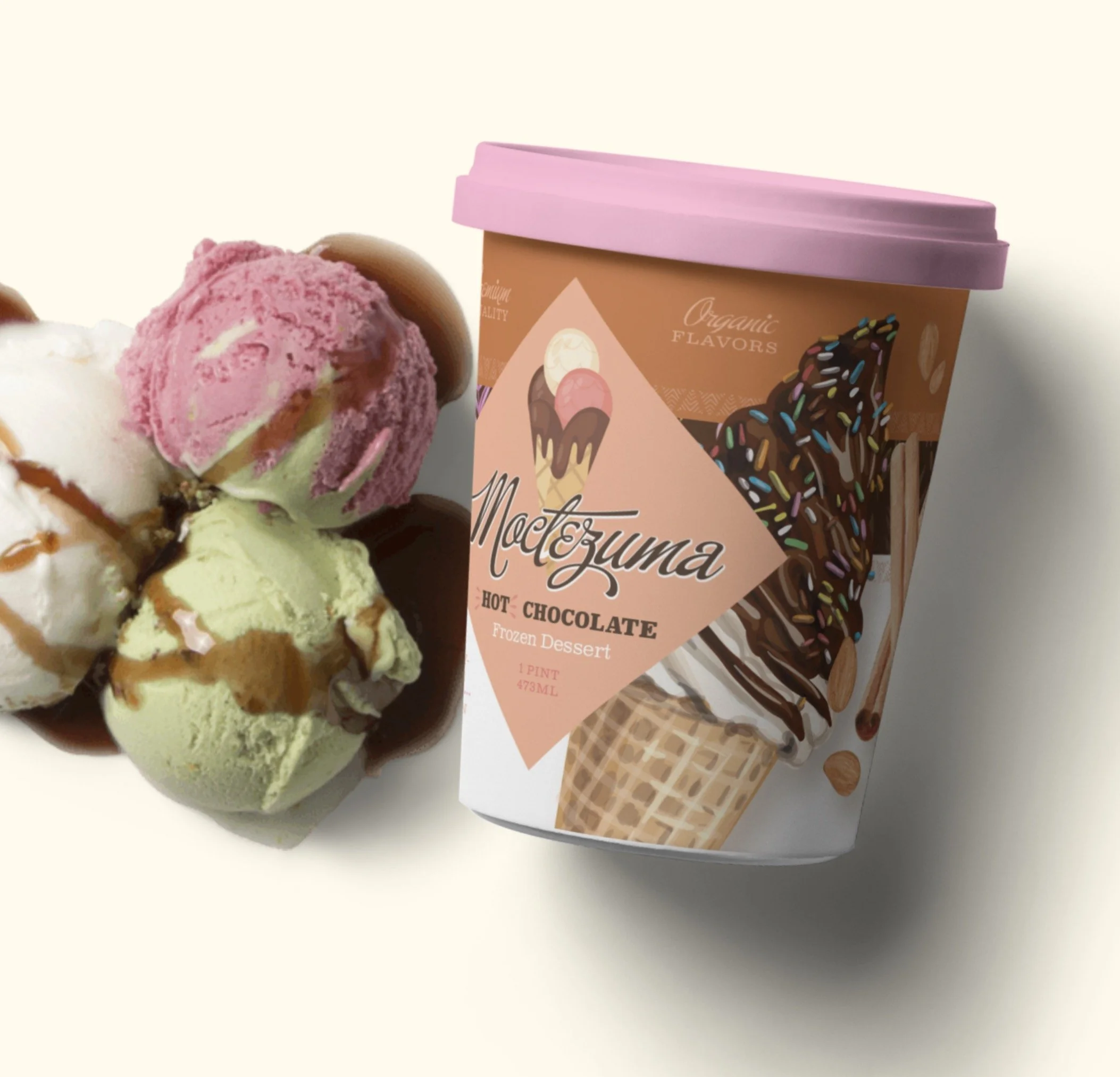
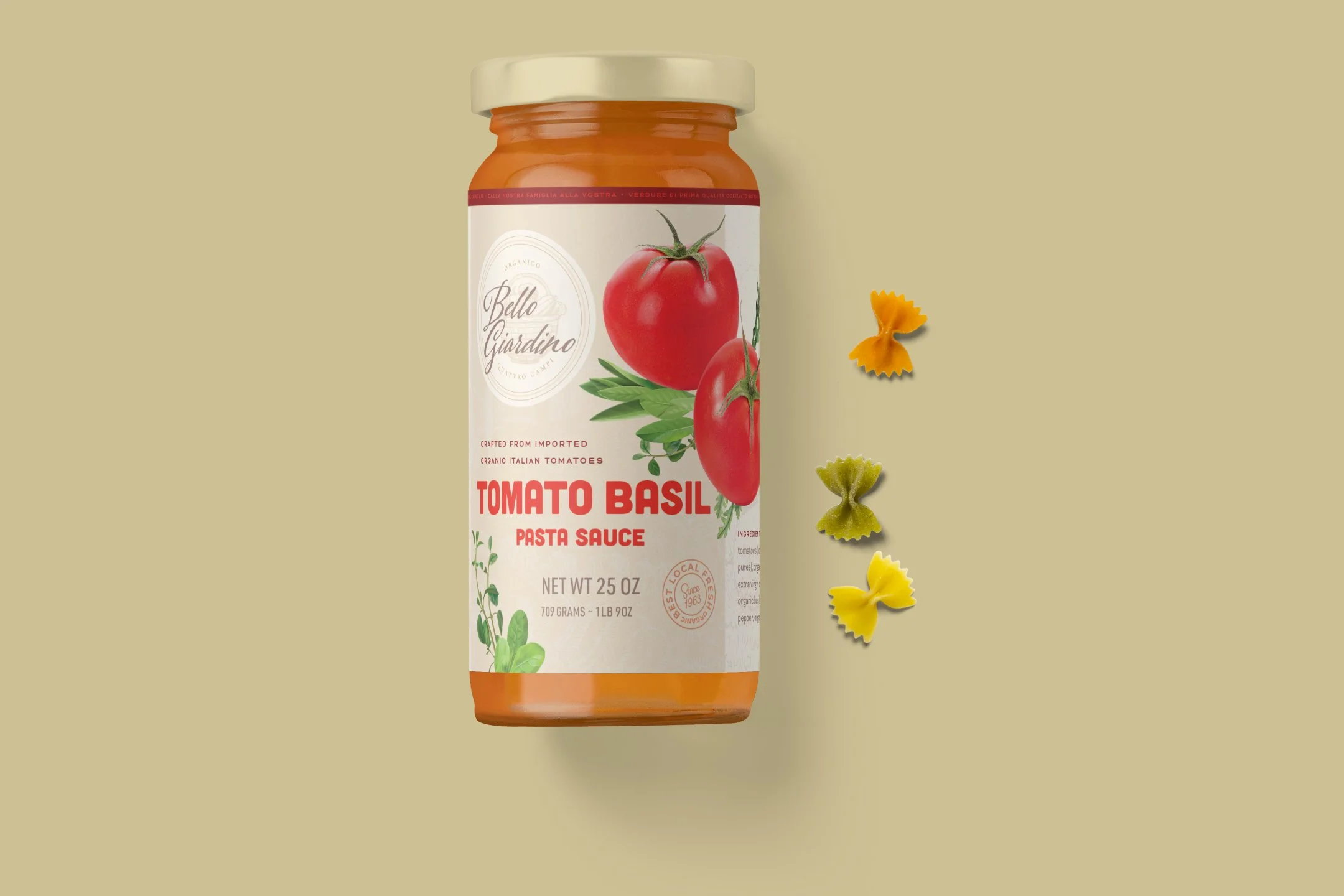
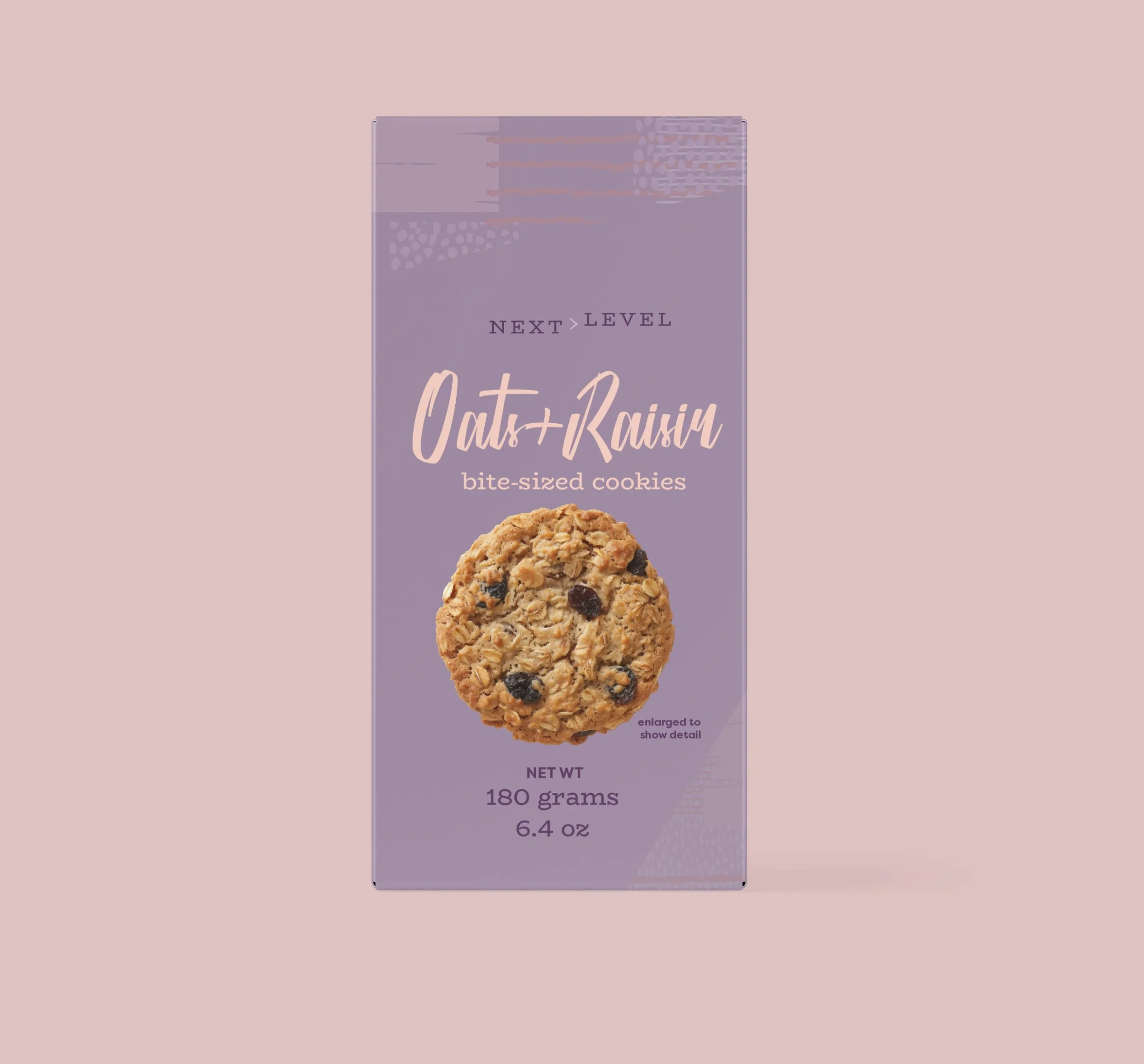
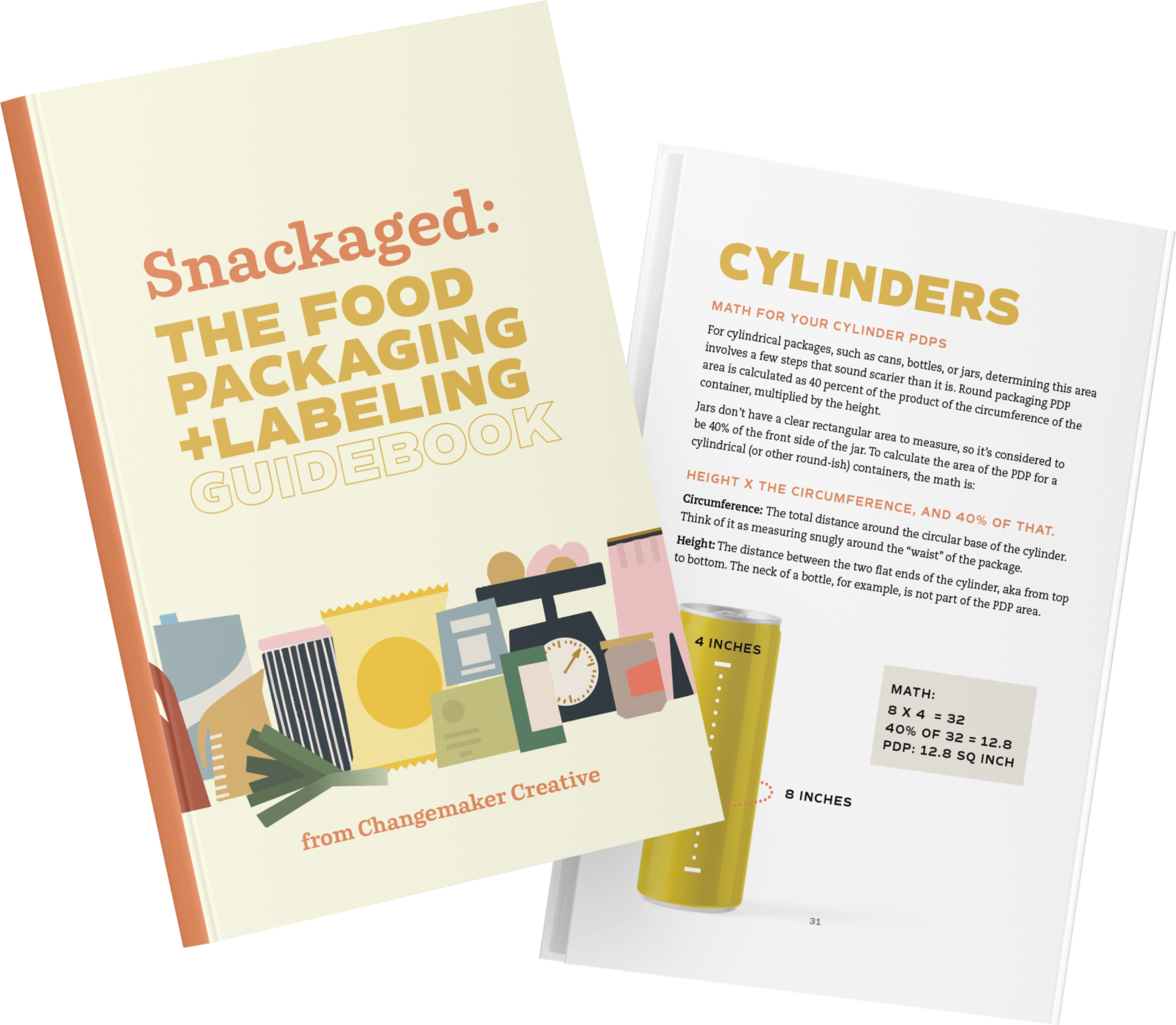
What elements are needed on a food label design?
For beverages, snacks, produce, and specialty foods, good packaging design also considers barcode placement, lot coding, UPC sizing, required claims language, and how front-of-pack messaging supports retail sales without becoming misleading. Beyond compliance, effective food packaging branding focuses on hierarchy, readability, shelf impact, and clear flavor cues so shoppers instantly understand what they’re buying.
I’m here to answer your questions
A good food packaging label combines strong branding with clear, compliant information — and the best food label design makes both feel effortless. When founders search for phrases like “what is required on a food label,” “FDA food labeling requirements,” “how to design a beverage label,” “nutrition facts panel requirements,” or “packaging design for snack brands,” they’re usually trying to balance creativity with regulation. Helping people through all of this has always been a passion of mine.
What many DIY designers forget
A professional food product label should include a lot of things people forget: the statement of identity (what the product is), net quantity of contents in a specific location and size on the primary panel of the package, a properly formatted Nutrition Facts panel, ingredient list in descending weight order, many kinds of warnings and usage guidelines for safe consumption for allergens, safe handling, and heating instructions. All this following current FDA labeling guidelines. The result is a retail-ready food label that builds trust, meets regulations, and helps your product stand out in a crowded market.