

Design That
Feels Good
Trusting a health product is a big leap of faith. Before you get to wow them with results, they need to trust that you can solve their problem. The brand and packaging has to do a lot of that heavy lifting, and create that trust.
I design strategic, retail-ready nutritional supplement packaging and branding
For founders who want something that makes folks go “hey, this actually looks legit”.
Your formula might be backed by research, diligent sourcing and testing, and serious life-changing intentions. Let’s make the outsides reflect that same level of integrity and trust.
Brands people recognize (and rebuy!)
If you’re looking for a supplement or functional food label packaging designer who understands that packaging isn’t just about aesthetics – I’m your gal.
Supplements + Wellness

Who it’s for
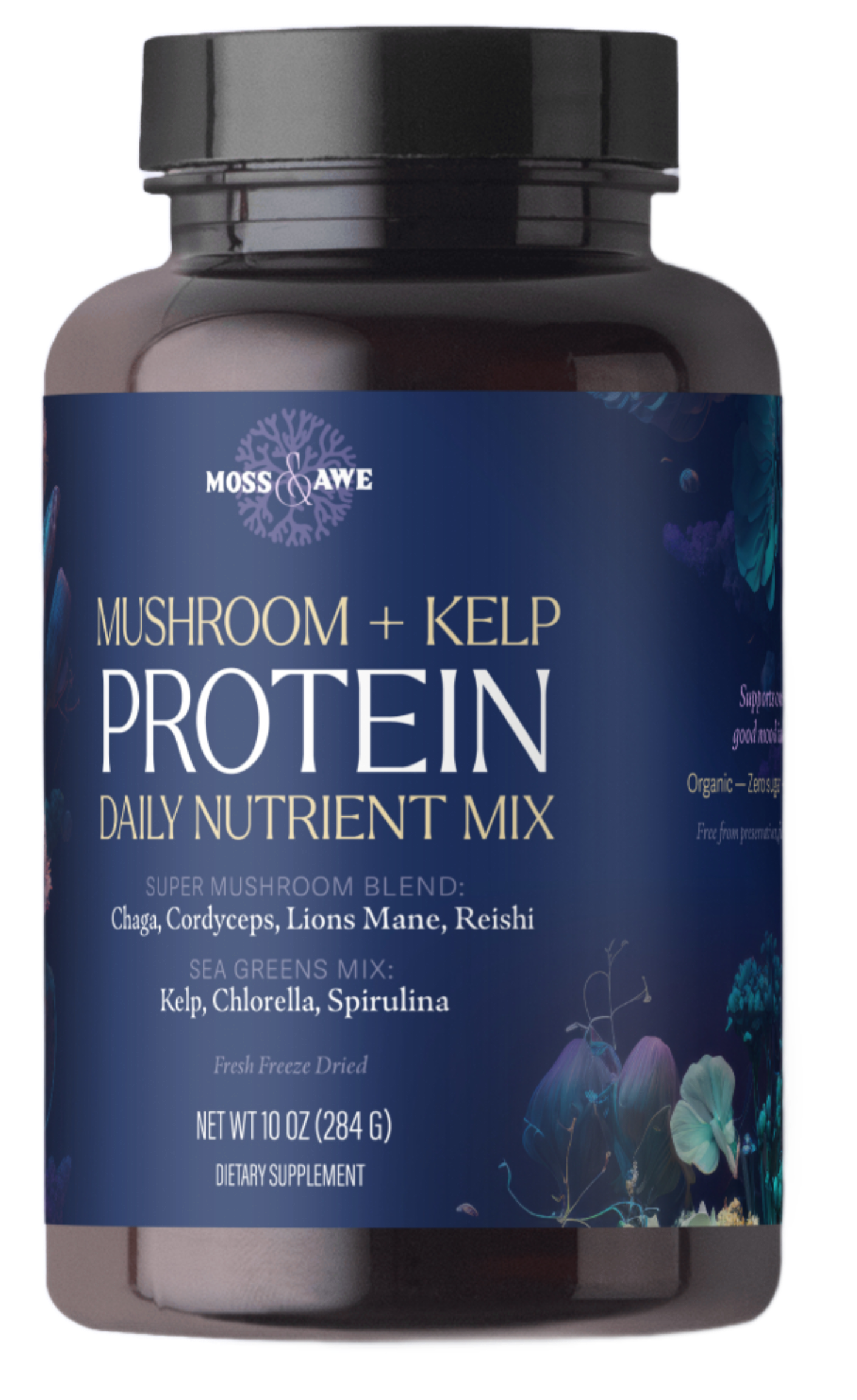
I work with with health and wellness CPG entrepreneurs at all stages: from a beta launch DTC play, all the way to big box retail. If you care about healing people, and about doing things right, we’ll naturally get along. Nutraceuticals, witchy natural remedies, functional foods, supplements and more.

Why it matters
Wellness world is wild. I design packaging that is unique, strategic, and impossible to ignore. Whether your product is in a protein powder, menopause hormone support, functional beverage, or capsules for gut health, I can help your brand to stand out, tell a story, and sell itself.
No fluff. Just damn good design.
What to know
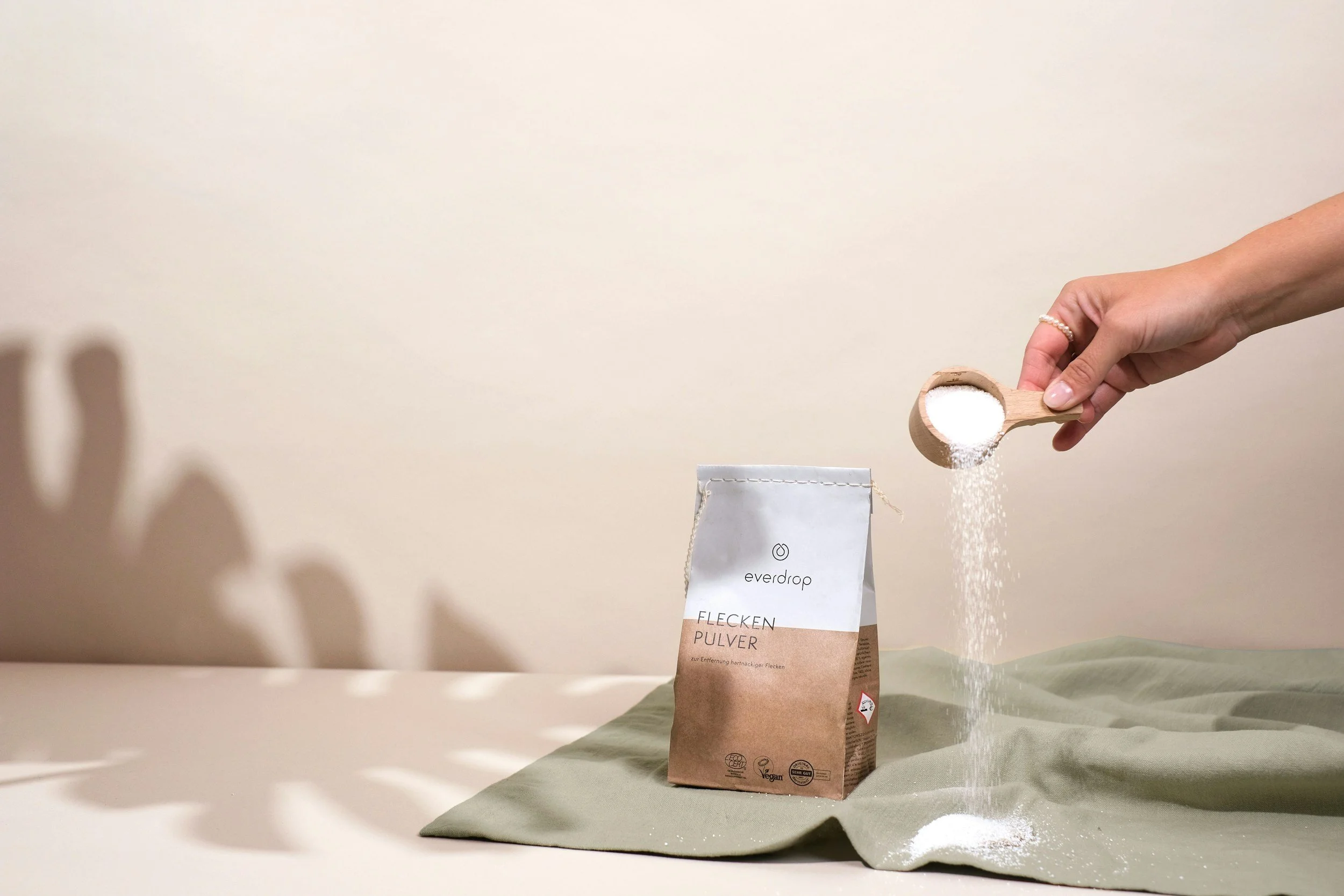
Because this is an area where the details matter: you need a supplement label designer who understands positioning, is mindful of the regulatory guardrails, and can create things that feel credible without looking clinical and cold. That’s the sweet spot of health and good times.
Strategic Branding
(Not just a random logo)
Pretty is easy. Strategic is better.
Strong wellness product branding starts with clarity: Who are you for? What do you stand for? What’s the problem you’ll solve, and how will this product help? Most importantly: why should someone trust and choose your product over anything else (or not buying anything at all)?
My process blends brand positioning, science storytelling, and thoughtful design systems so your packaging doesn’t just look good, but communicates something specific and meaningful.
Functional Packaging
(Not just pretty labels)
Mockups are cute. Press checks are real.
Your packaging needs to work in three places at once: on the store shelf. In someone’s hand. And as a tiny thumbnail on a phone screen. I design for all three.
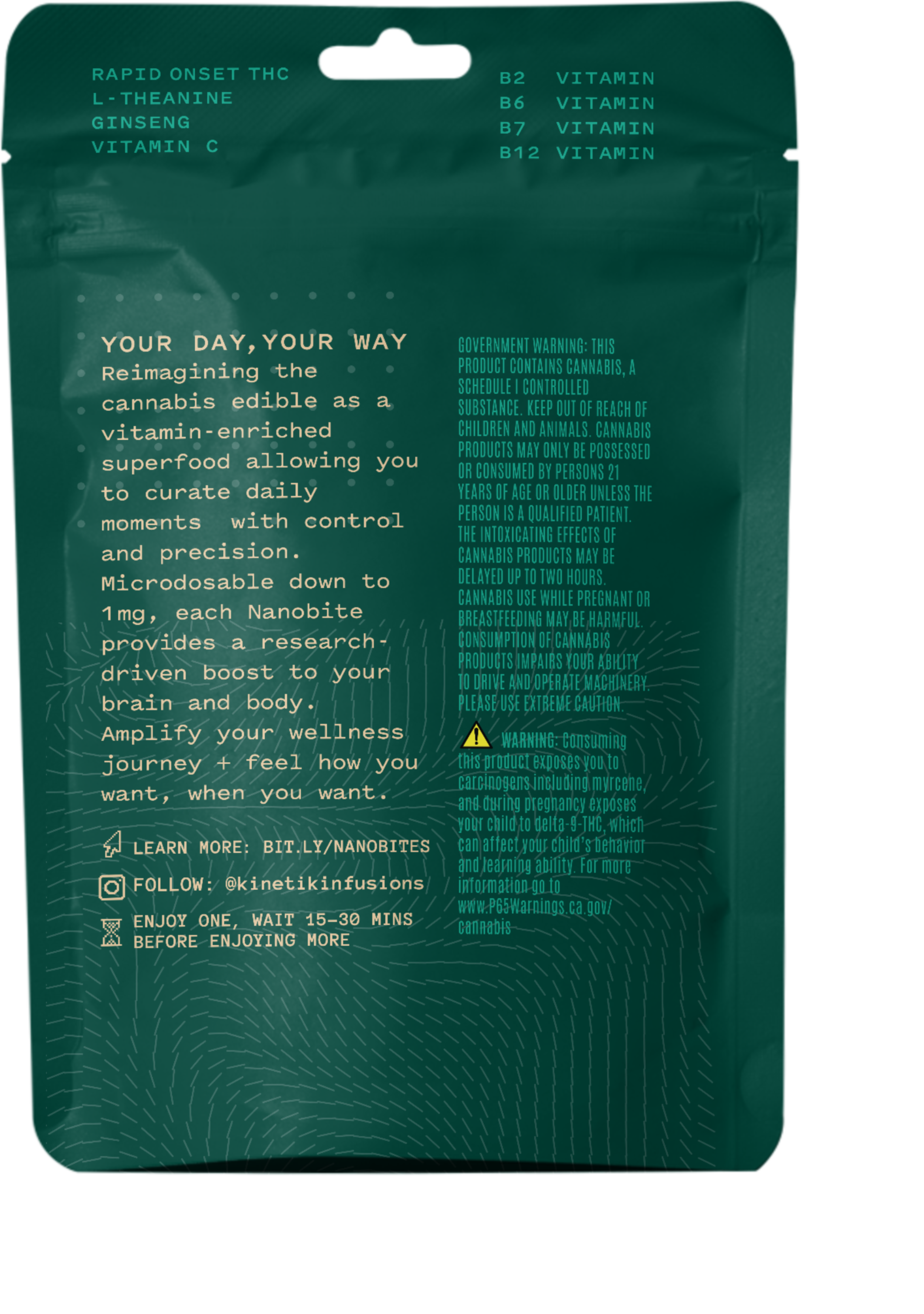
I design product packaging with real life in mind. I exist for things like figuring out label hierarchy that makes sense, ingredient lists, usage and dosage instructions, production details that won’t fall apart at print. I’m especially mindful of compliant language, claims, and how to communicate benefits and joy that goes beyond basic label claims that could get you in deep shit with the FDA.
We build a brand world that makes sense across every SKU, for now and future-proofing for brand expansion later.
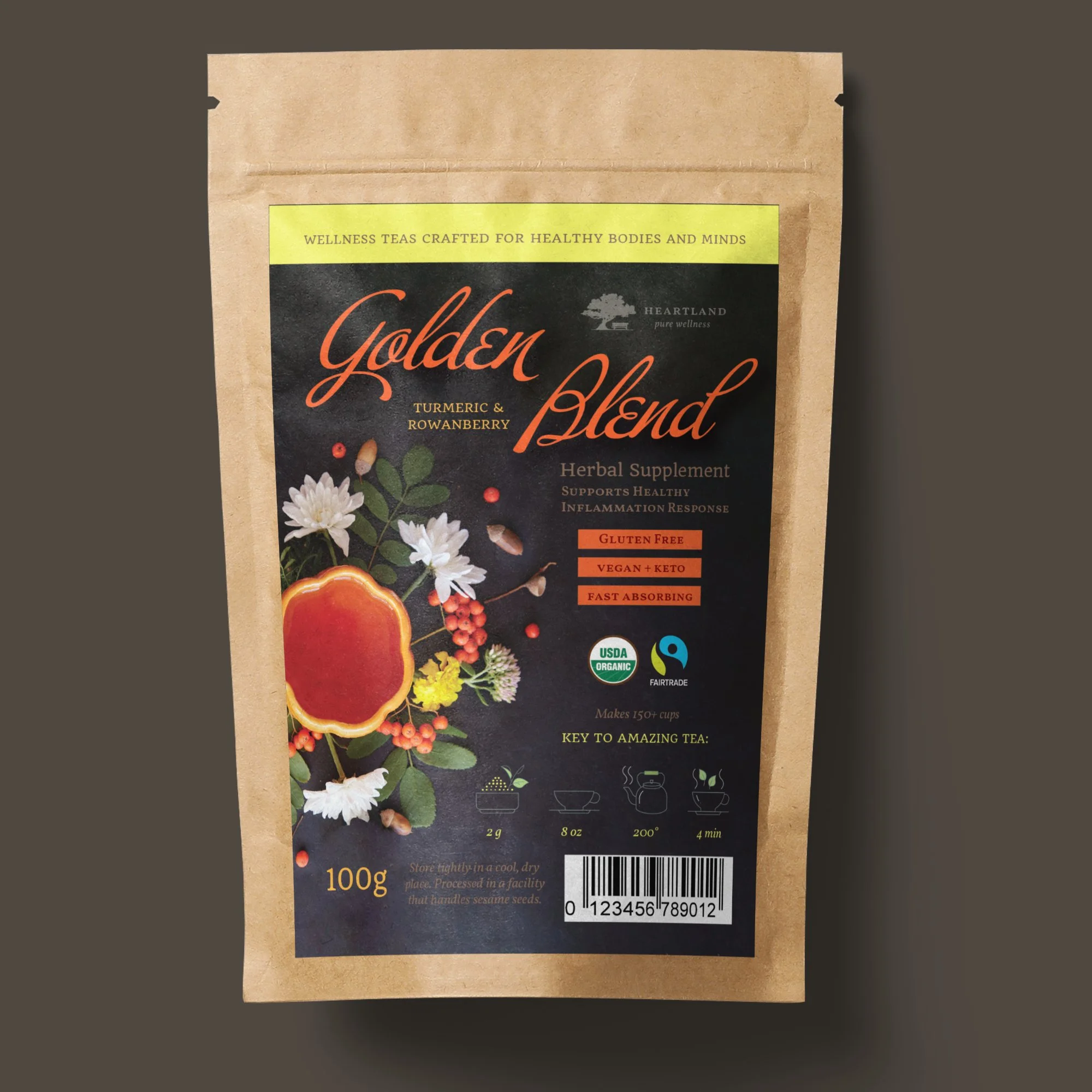
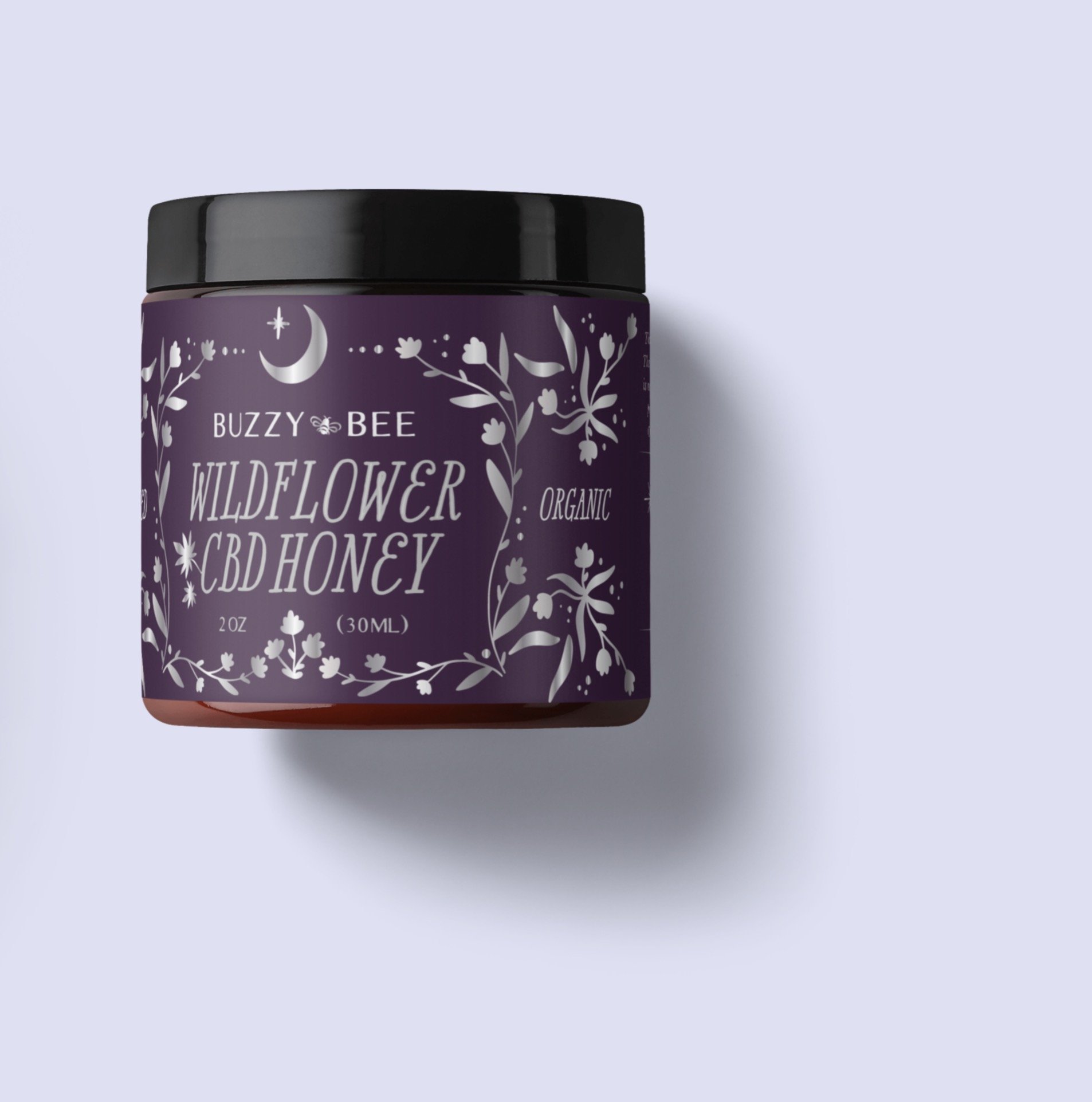
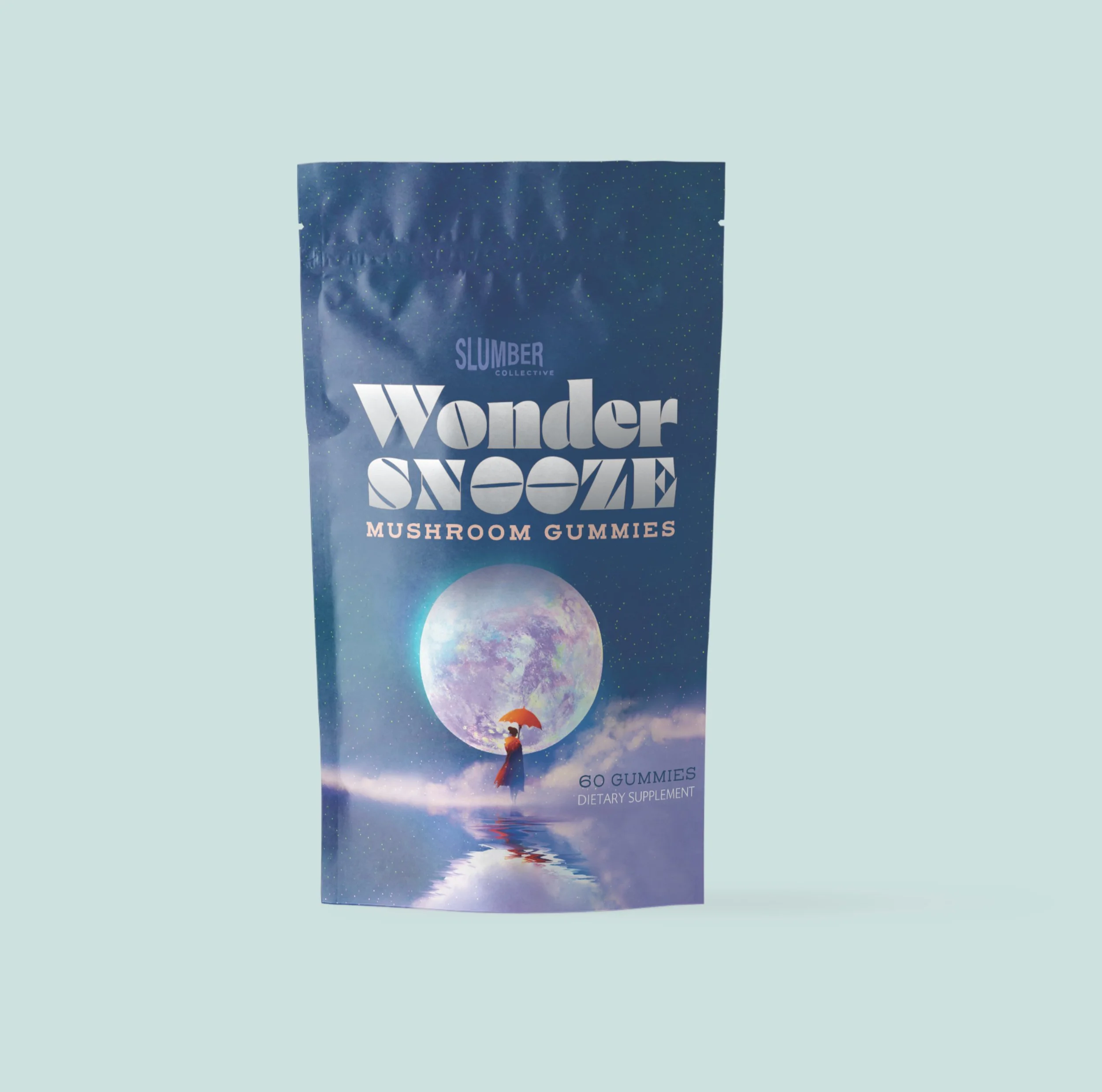

What makes a good supplement label design?
Supplement packaging design is in between food and medicine. Nutritional supplements are foods with functional ingredients. They’re not really medicine, and not really food either: they’re products designed to enhance diets by providing essential nutrients that may be lacking or insufficient in a person’s daily intake. Products considered supplements can come in various forms, including tablets, capsules, powders, and liquids. They are often used to support overall health, boost the immune system, improve athletic performance, or address specific nutritional deficiencies. But since they’re not pharmaceutical medicine, there are several regulatory things one must know when designing – an important aspect is compliance with regulatory guidelines, including all necessary warnings, not making any medical claims in the copy, font size requirements etc. Nutritional supplements must adhere to specific labeling requirements set by governmental organizations, in the USA it’s the the FDA. Although the vitamin market is very loosely monitored, it’s still smart to stay compliant.
Common examples of nutritional supplements include:
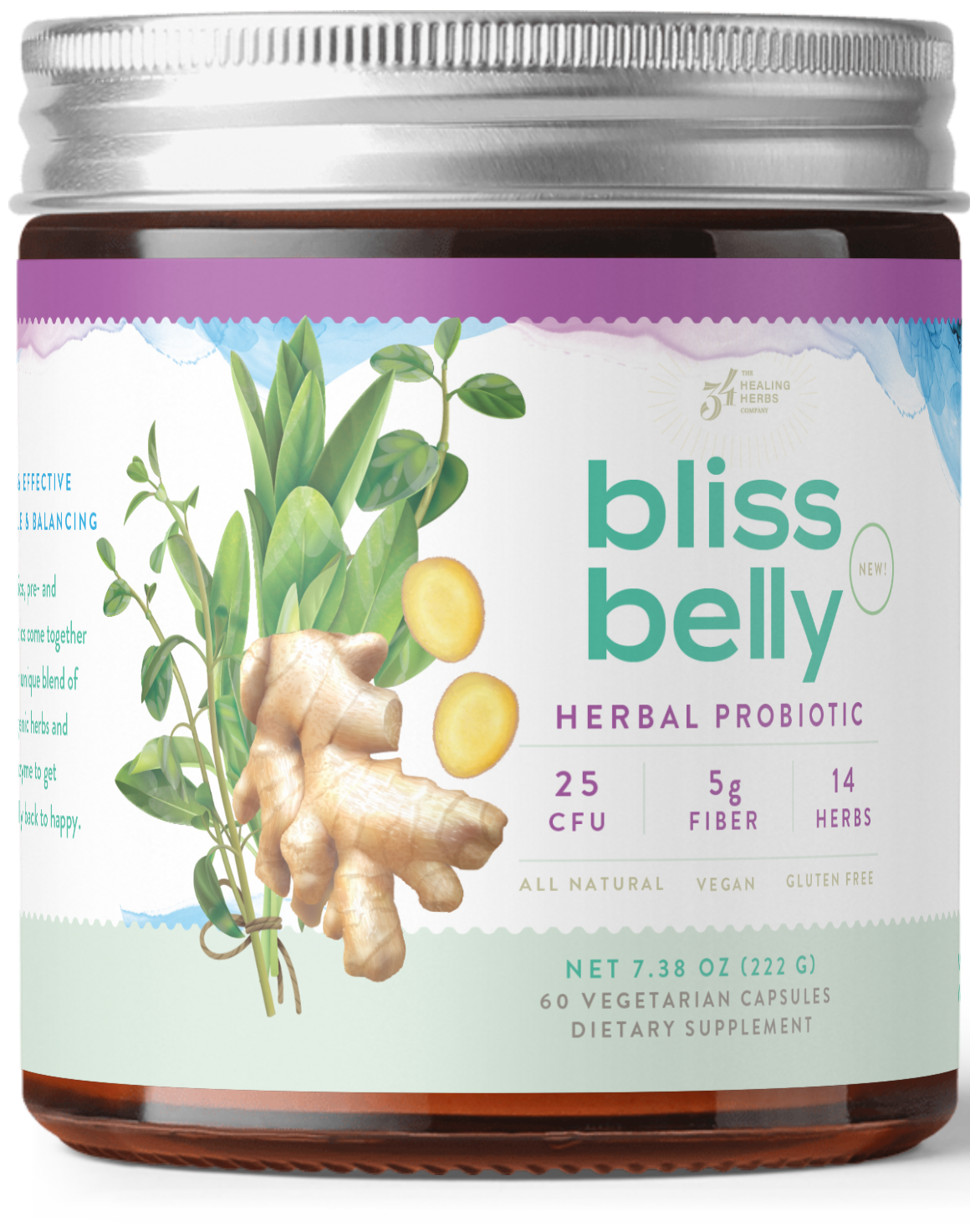
Vitamins: these are your multivitamin gummies, Vitamin D, and things like that. Special care must be followed for things containing iron. This category also includes minerals, like calcium and magnesium. Fish oil and omegas go in this category as well, where things that are active ingredients need to have a supplement panel. See also: probiotics and prebiotics.
Herbal supplements, products like echinacea for immune support or ginseng for energy enhancement fall into this bit murky category. You’ll want to do a supplement panel even for ingredients that have no established Daily Value.
According to regulatory guidelines, if these components are present in significant amounts and are claimed to have a physiological effect, they must be clearly listed on the packaging.
Additionally, if your product makes specific health claims – such as supporting immune function or promoting digestive health – having an active ingredients panel becomes even more critical. It not only enhances transparency but also ensures compliance with food labeling regulations set by authorities like the FDA. It’s important to have correct packaging, for the risk of causing adverse effects.
What’s a supplement and what’s a food?
The difference between a food, and what’s a supplement: active ingredients. Active ingredients in supplements are the components that provide the intended health benefits or effects. So while fish is high in omegas, tinned anchovies are not a supplement. But what about gummies with added vitamins? Or soda with added probiotics or adaptogens? Functional foods are an interesting mix that blurs the lines.
Protein Powders are kinda both a food and a supplement. Often used by athletes or those looking to increase their protein intake for maxx gainz, these powders can be made from milk-based ingredients, like whey, casein, or plant based, like soy, or pea protein. Enriched foods can contain a lot of added protein, or utilize ingredients naturally high in protein, like lentils.
Why does this all matter?
Transparency is vital in building trust with consumers. Providing information about sourcing practices, manufacturing processes, and third-party testing can reassure customers about the quality of the supplement they are considering. By focusing on these elements: clarity, compliance, visual appeal, and transparency – brands can create effective nutritional supplement labels that resonate with consumers while meeting (or ideally, exceeding) industry standards.
So whether your product is a “traditional supplement”, or more of a functional food, let’s talk about your project and figure out the best approach for you!