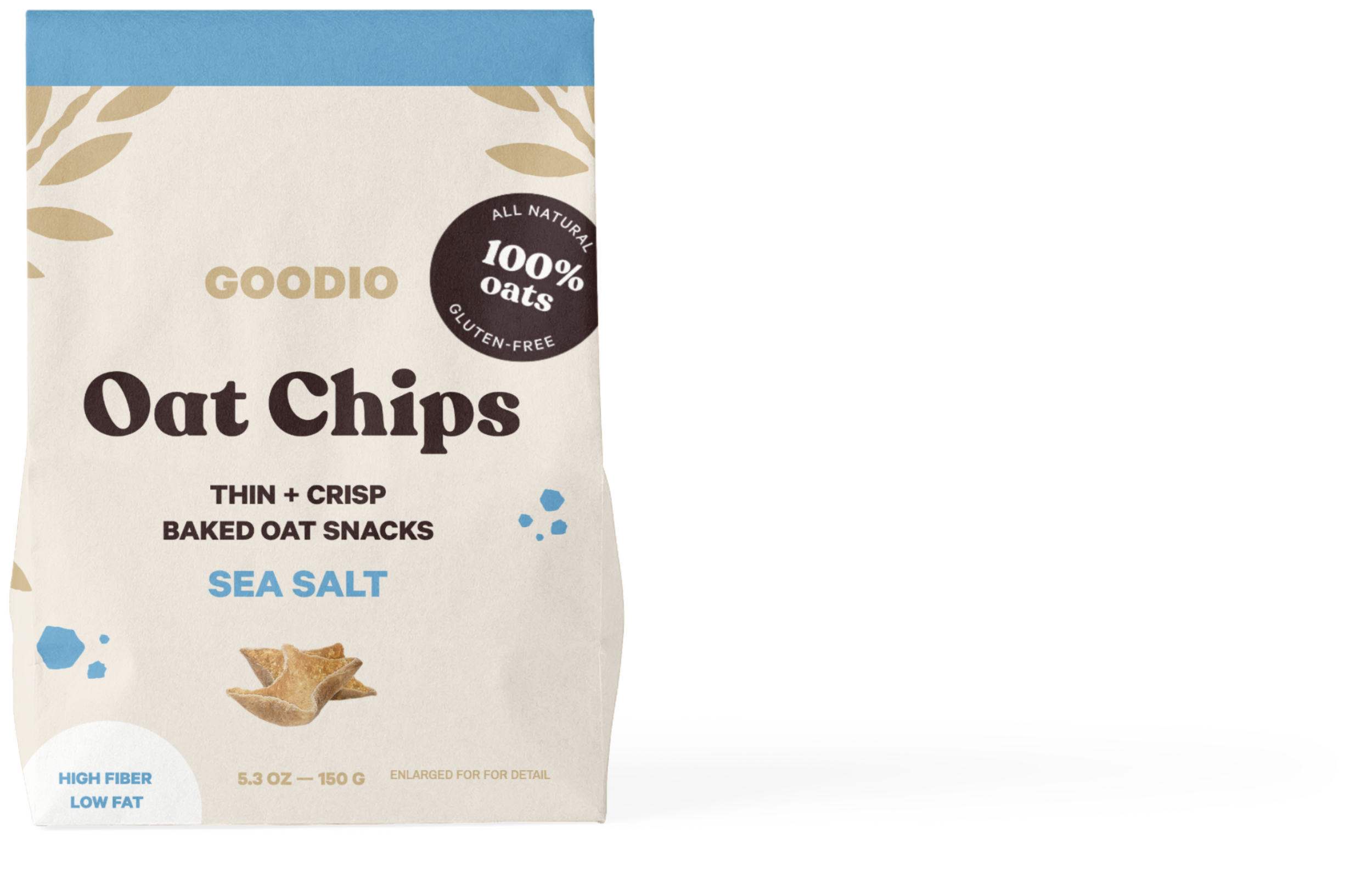
Sustainable Packaging
What Actually Matters (and What Doesn’t)
Sustainability isn’t a niche concern anymore—it’s a baseline expectation.
Recent studies show that roughly 60–70% of consumers consider sustainability when making purchase decisions, and a similar percentage say they’re willing to pay more for environmentally responsible products. Younger consumers, especially, are driving this shift, but it’s no longer limited to one demographic—it’s mainstream.
And yet, walk down any store aisle and you’ll still see it:
oversized boxes, layers of plastic, redundant inserts, and materials that will never realistically be recycled.
A tiny product wrapped in a disproportionate amount of packaging.
A pouch inside a box inside shrink wrap.
Multiple materials fused together in a way that makes proper disposal nearly impossible.
It’s wasteful. It’s unnecessary. And increasingly, it’s out of step with what customers expect.
The good news: this is fixable—one package at a time.
How to Think About Sustainable Packaging
If you’re trying to make smarter packaging decisions, focus on four things:
What it’s made of
How it’s made
Where it’s made (and shipped from)
What happens after use
1. Materials: Less, Lighter, Better
Start with the source material.
Oil-based plastics are still the default in many categories, but renewable or lower-impact options—like paperboard or emerging bio-based materials—generally have a smaller footprint.
Weight matters, too. Heavier materials like glass increase emissions during transport. That’s why many brands are shifting toward lightweighting—using less material overall, or switching to formats like flexible pouches when appropriate.
That doesn’t mean plastic is automatically “bad” or paper is automatically “good.” It means you’re aiming for the least material, with the lowest overall impact, that still protects the product and meets requirements.
Example swap:
Lightweight paper-based packaging
– Thick, rigid plastic container
2. Manufacturing & Shipping: The Hidden Footprint
Where your packaging comes from can matter as much as what it’s made of.
Shipping—especially long-distance or air freight—can be one of the biggest contributors to a package’s carbon footprint. Heavy or fragile materials increase that impact even more.
Whenever possible:
Source closer to where you sell
Avoid unnecessary weight and volume
Reduce breakage risk (and replacement shipments)
Example swap:
Locally produced paperboard carton
– Imported glass container shipped long distance
3. End of Life: The Reality Check
This is where a lot of sustainability claims fall apart.
Recyclability gets all the attention—but in practice, most packaging is never actually recycled.
In the U.S., only about 5–10% of plastic waste is recycled. Even when something is technically recyclable, it may not be accepted by local facilities, or it may be downcycled into lower-quality material.
There’s even a term for this: “wishcycling”—putting something in the recycling bin hoping it gets recycled, even when it won’t.
Here’s a more realistic hierarchy:
Compostable (when viable and accepted locally)
Paper and cardboard (widely recyclable, often compostable)
Aluminum (highly recyclable, retains quality)
Glass (recyclable, but heavy and less efficient for small formats)
Plastic (limited real-world recycling)
Aluminum, for example, can be recycled repeatedly with significantly less energy—up to ~90–95% less than producing new material. That’s meaningful. Plastic, by comparison, rarely makes it through the system more than once.
The takeaway: don’t rely on recyclability alone—design for what actually happens in the real world.
Example swap:
Compostable or paper-based pouch
– Multi-layer plastic film that can’t be processed
4. Simplicity Wins: Design for the Real World
If your packaging uses multiple materials fused together—like plastic inserts glued into paper, or mixed-material closures—it’s unlikely to be recycled at all unless the consumer separates it (which most won’t).
This is where monomaterial design comes in: using a single material wherever possible to improve the chances of proper disposal.
Rule of thumb:
If it’s complicated to take apart, it won’t be.
Sustainability assessment can be added in to projects:
Sustainability Review
A practical assessment of your current packaging, including a clear “climate score” and identification of the biggest opportunities for improvement.
Better Choices Report
Actionable recommendations tailored to your product and constraints, including:
Smarter material and format options
Realistic alternatives (not just ideal ones)
Typical cost ranges
Supplier and vendor suggestions
Guidance on next steps and additional support
We’ll look at what actually makes sense for your product, your margins, and your customers. Then map out options that reduce impact without creating new problems. All at order quantities available to you – you don’t have to be ordering custom packaging in the quantities of millions to make an impact. We can start small, and assess the best route for you, and make a real impact, on a smaller scale.
Sustainable packaging isn’t about perfection.
It’s about better decisions, made consistently, that add up over time.